How Alberta Energy Fluctuations Drive Changes in Urban Professional Betting Habits
Frankie Fischer · Oct 15, 2026
How Alberta Energy Fluctuations Drive Changes in Urban Professional Betting Habits
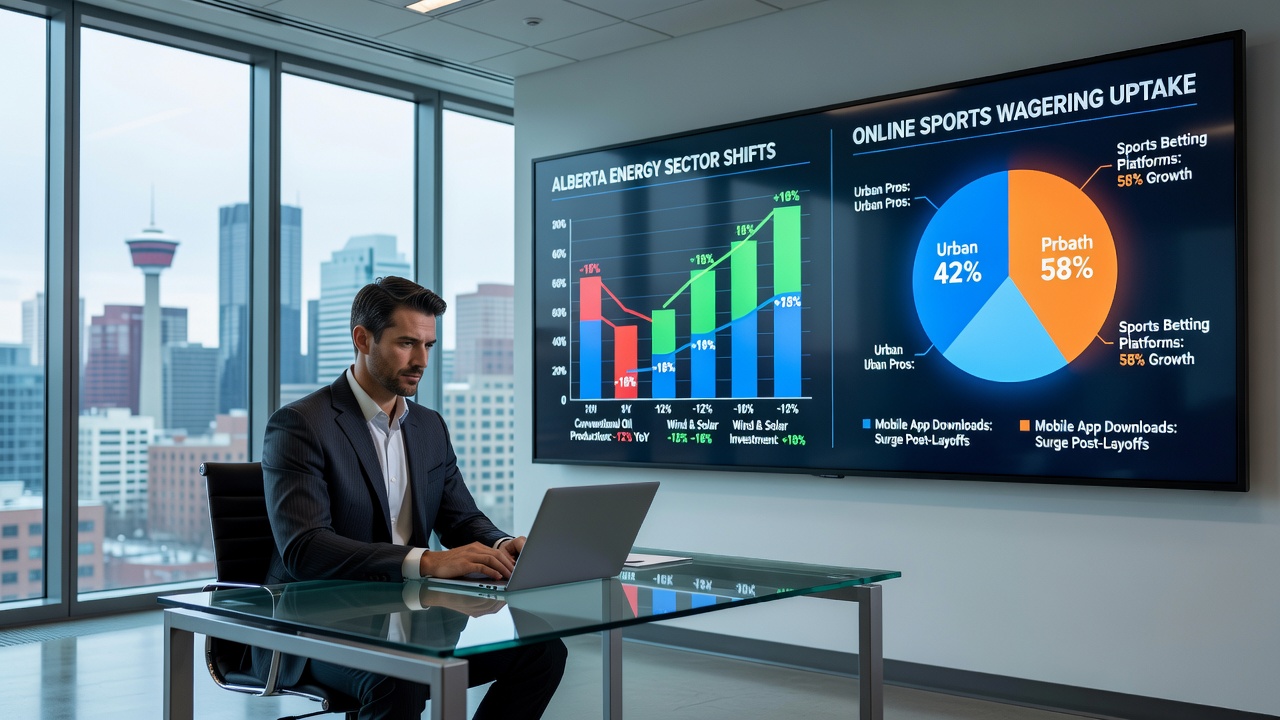
Alberta's energy sector continues to experience price swings tied to global oil markets, and these movements create ripple effects that reach urban professionals working in Calgary and Edmonton offices. Employment data from Statistics Canada shows that energy-related jobs accounted for a substantial portion of high-income positions in the province during recent years, with average salaries often exceeding those in other industries by notable margins.
Energy Sector Patterns and Income Variability
Oil and gas production levels rose and fell throughout 2024 and 2025 in response to international demand and supply adjustments, which in turn influenced corporate budgets and staffing decisions across major firms. Urban professionals in finance, engineering, and consulting roles connected to these companies saw corresponding changes in bonuses and overtime opportunities, according to industry employment reports. Those income variations altered discretionary spending patterns, including allocations toward entertainment activities such as online sports wagering.
Participation metrics collected by provincial gaming authorities indicate that sign-up rates on licensed platforms experienced measurable shifts during periods of energy sector contraction, while expansion phases correlated with steadier or increased activity among the same demographic groups. Researchers tracking these trends note that professionals often adjust betting frequencies based on available cash flow rather than altering their overall interest in sports events.
Regulatory Framework and Platform Access
Alberta's gaming regulations permit online sports wagering through approved operators, and this framework has remained stable even as economic conditions changed. Licensed platforms report user demographics that include a consistent share of urban professionals aged 25 to 45, many of whom hold positions tied directly or indirectly to energy extraction and services. Data from these operators shows that deposit volumes tend to track with quarterly earnings reports from major energy companies listed on Canadian exchanges.
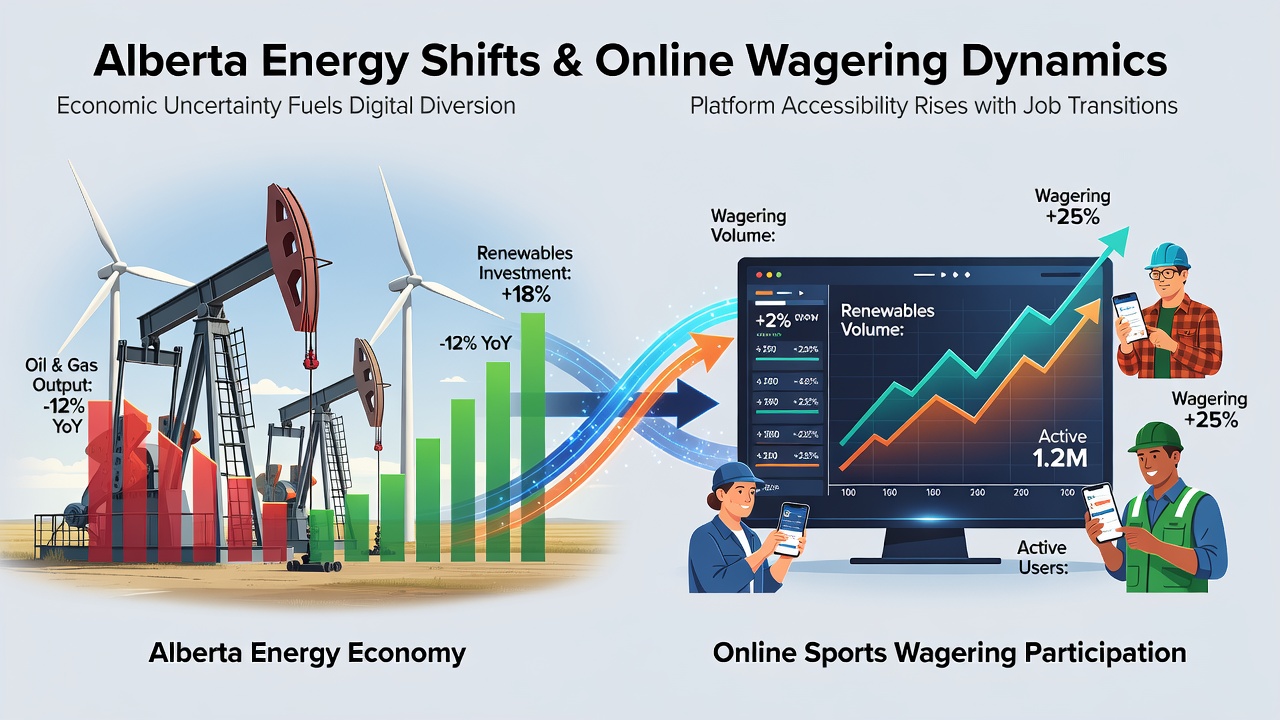
One study conducted by academics at the University of Alberta examined transaction records from 2023 through mid-2025 and found that professionals employed by firms with direct energy exposure reduced average wager sizes during downturns yet maintained account activity at rates comparable to broader user bases. The analysis also highlighted that mobile platform usage remained high regardless of income fluctuations, suggesting convenience plays a larger role than temporary financial pressure for this group.
Broader Economic Indicators and Betting Trends
Provincial unemployment figures released in early 2026 reflected ongoing adjustments in the energy workforce, and observers tracking consumer behavior noted parallel movements in leisure spending categories that encompass sports betting. Government statistics from Statistics Canada provide monthly breakdowns of household expenditures that help contextualize these patterns across western Canadian provinces. Participation rates on online platforms appear sensitive to these indicators, particularly among professionals whose compensation structures include performance-based components linked to commodity prices.
Additional reports from international bodies such as the Organisation for Economic Co-operation and Development offer comparative perspectives on resource-dependent economies and recreational spending, showing similar correlations in other jurisdictions with strong energy sectors. Alberta-specific platform data released ahead of the 2026 World Cup preparations indicates that user engagement metrics are being monitored closely by operators anticipating potential economic stabilization or further volatility in October 2026.
Demographic Focus on Urban Professionals
Surveys administered by independent research firms reveal that urban professionals in Alberta often cite time constraints and digital accessibility as primary reasons for choosing online sports wagering over traditional venues. When energy sector conditions improve and salaries rebound, these same individuals demonstrate higher average session durations and participation in multiple sports markets simultaneously. Conversely, periods of uncertainty prompt more selective betting strategies focused on familiar leagues rather than exploratory wagers.
Provincial licensing requirements ensure that operators maintain responsible gaming tools, and usage statistics for deposit limits and self-exclusion features show steady application across income levels. This infrastructure supports consistent market participation even when external economic factors introduce variability into household finances.
Conclusion
Connections between Alberta's energy economy and online sports wagering participation among urban professionals rest on observable employment and income data rather than isolated events. As commodity markets continue to evolve, platform operators and regulatory bodies track these relationships through ongoing data collection that informs both policy adjustments and service offerings. October 2026 stands as a reference point for upcoming economic reports that will provide further clarity on whether current patterns hold or shift in response to new market conditions.